Green Hoteliers · 8 min read
Keep Calm and Be a Good Hotelier. The Profession Has Changed, but the Principles Have Not.
What makes a successful hotelier today? The industry has changed, expectations have increased and new generations face challenges that barely existed twenty years ago. But have we forgotten what being a hotelier is really about?

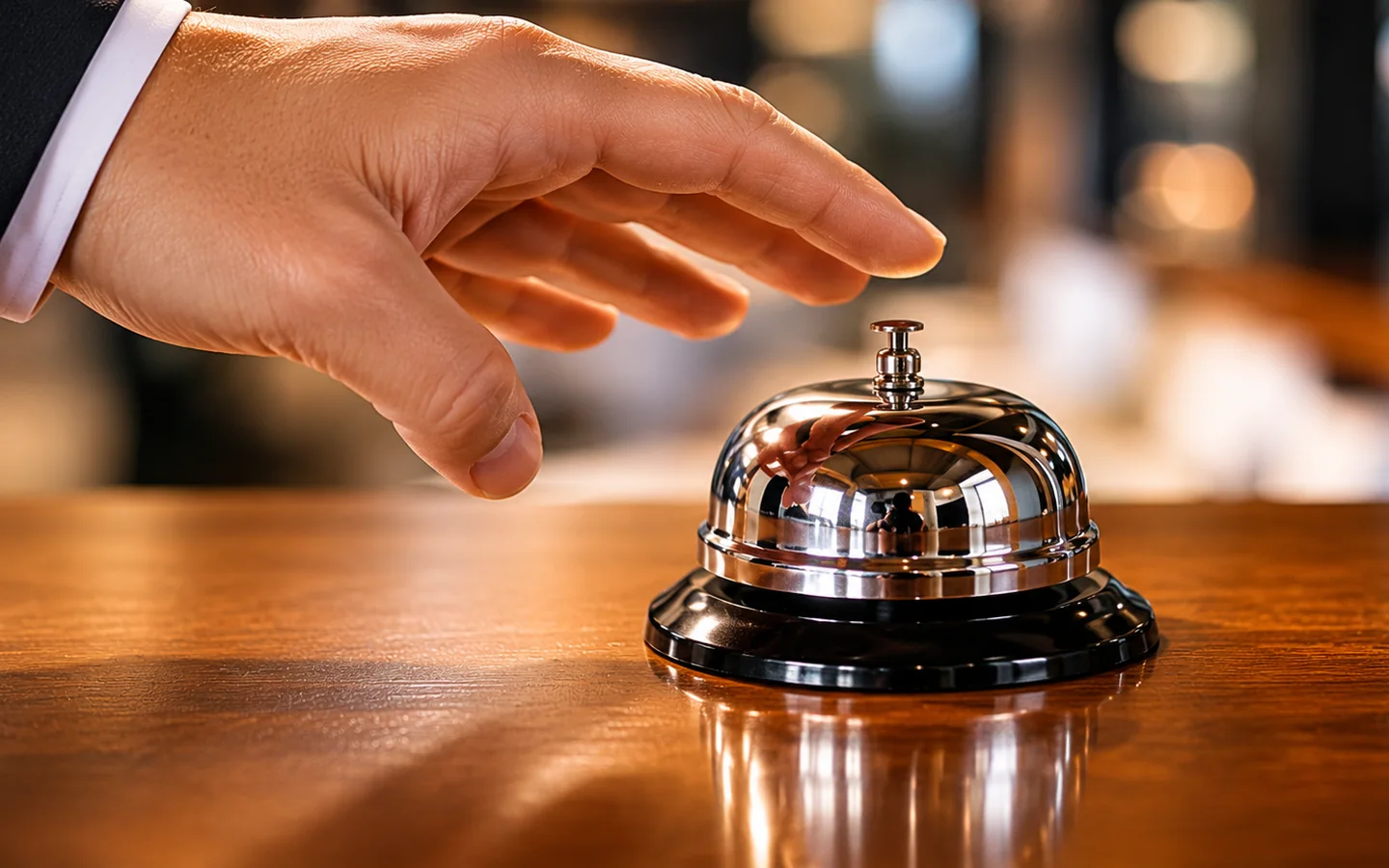
In 2014, I wrote an article entitled “Keep Calm and Be a Good Hotelier”, inspired by a humorous description of our profession. According to that description, a hotelier must be a diplomat, a democrat, an autocrat, an acrobat and occasionally even a doormat. We are expected to entertain presidents, business leaders, celebrities, families and difficult guests, understand practically every subject imaginable, resolve conflicts, make decisions and remain perfectly composed when everything around us appears to be falling apart. More than a decade later, and with nearly 30 years of experience in international hospitality, I still recognise that description. The profession has certainly evolved, but its foundations remain remarkably unchanged.
Today, however, General Managers face a considerably more complex operating environment. Alongside revenue, profitability, guest satisfaction and employee management, they must deal with digital transformation, artificial intelligence, sustainability, environmental legislation, certification requirements and increasingly demanding consumer expectations. For younger generations entering the profession, the list of responsibilities can appear overwhelming. Yet I remain convinced that a successful hotelier must first and foremost be a hotelier. Everything else should support that responsibility, not replace it.
Hospitality Begins with People
A successful hotelier must genuinely enjoy working with people. Hospitality is not simply about providing comfortable rooms, excellent food or efficient service. It is about understanding human behaviour, recognising expectations and creating experiences that guests remember. A guest arriving after a difficult journey, a family celebrating an important occasion or a business traveller dealing with an unexpected problem will each require a different approach. No procedure, management system or technology can replace professional judgement and genuine personal attention.
I have always believed that the difference between an ordinary hotel and an exceptional one is often found in details that others overlook. A General Manager who recognises a returning guest, an employee who anticipates a request or a department head who resolves a complaint before it becomes serious demonstrates something that cannot simply be taught through an online training programme. It comes from experience, observation and a genuine interest in people.
Technology, including artificial intelligence, can certainly improve efficiency, communication and decision making. But we should never confuse technological progress with hospitality. Hotels are operated by people, for people, and that principle should remain at the centre of our profession.
Know Your Hotel Before Trying to Manage It
One characteristic I have always admired in experienced hoteliers is their understanding of the entire operation. A General Manager does not need to be the best chef, receptionist, housekeeper or engineer in the building, but should understand what those professionals do, the challenges they face and how their performance contributes to the business.
There is considerable value in having worked through different hotel departments. Understanding the pressure of a busy breakfast service, the difficulties faced by Housekeeping during high occupancy or the technical challenges of maintaining a complex property provides knowledge that cannot be acquired exclusively through management reports. This operational understanding allows a hotelier to make realistic decisions, recognise inefficiencies and support employees when circumstances become difficult.
The same principle applies to sustainability. Energy consumption is connected to Engineering, guest comfort and operating costs. Water consumption involves Housekeeping, Kitchens, Laundry and maintenance, while waste management depends on Purchasing, Food and Beverage and established operational procedures. These are not activities invented by sustainability specialists. They have always formed part of hotel operations, although today we understand their environmental and financial implications more clearly.
As I explained in a previous Green Partner article, “A Hotel General Manager Is a Hotelier. Not a Sustainability Expert. Stop Expecting Them to Be Both!” A General Manager does not need to become a carbon accountant, environmental engineer or certification auditor. Those responsibilities require competent specialists. The GM must understand the implications for the business, establish priorities, appoint qualified people and ensure that the necessary resources are available. That is what effective management looks like.
Remain Calm, Make Decisions and Lead by Example
It is relatively easy to manage a hotel when occupancy is strong, employees are available, equipment is functioning and guests are satisfied. The real test begins when several problems occur simultaneously. A technical failure, an unexpected staff shortage, a serious complaint or an operational incident can quickly reveal the difference between somebody who holds a management position and somebody who genuinely knows how to manage.
In those circumstances, employees need clear direction, guests need reassurance and management must establish priorities without unnecessary hesitation. Being decisive does not mean being authoritarian. It means understanding the situation, listening to competent colleagues, making an informed decision and accepting responsibility for the outcome.
I also believe that good leadership requires accessibility. A General Manager who spends the entire day behind a desk, reviewing reports and attending meetings, risks losing contact with the operation. Walking through the hotel, speaking with employees, observing service and listening to departmental concerns often reveals more than another management presentation. Employees frequently know where procedures are inefficient, resources are being wasted or improvements could be introduced, but somebody must be prepared to listen.
This is particularly relevant to sustainability. During audits, I frequently encounter hotels with impressive Green Team structures on paper, while almost every responsibility is concentrated in one employee. Management commitment is presented, but the operational support is missing. Sustainability should be integrated into the existing management structure, not become another burden placed on somebody who already has a full-time job.
Passion, Observation and Financial Discipline
Hospitality is not an easy profession. Long hours, demanding guests, unpredictable situations and constant operational pressure are familiar to anybody who has spent a substantial part of their career in hotels. Without genuine passion, maintaining the necessary enthusiasm becomes difficult. But passion alone does not make a successful hotelier. It must be accompanied by professional competence, financial understanding and the ability to recognise where improvements are necessary.
A good hotelier notices details that others miss. A picture hanging incorrectly, an employee who appears uncomfortable, a guest waiting too long or a service procedure that is not functioning properly can all indicate something requiring attention. The same professional curiosity should extend to financial and resource performance. An unexpected increase in electricity consumption, excessive water usage, repeated equipment failures or unnecessary food waste should attract management attention just as quickly as a decline in guest satisfaction.
Unfortunately, I still encounter hotels that monitor financial expenditure carefully without properly understanding the physical consumption behind those costs. The electricity invoice is paid, but nobody investigates why consumption increased. Waste collection is included in the operating budget, but the opportunities to reduce waste are rarely examined. Improvements are postponed because they are considered sustainability projects rather than operational efficiency measures.
For me, this is where modern hotel management and sustainability naturally come together. Reducing unnecessary consumption, improving maintenance, optimising purchasing and preventing waste are not simply environmental achievements. They are examples of good business management. When supported by reliable data and realistic investment calculations, they can improve profitability while reducing environmental impacts.
A successful hotelier does not need to understand every technical detail, but should know which questions to ask, recognise when something is wrong and ensure that the right people take action.
The Next Generation Must Preserve the Profession While Improving It
Younger generations entering hospitality have opportunities that were unimaginable when I began my career. Technology provides immediate access to information, operational systems are increasingly sophisticated and sustainability has become an important element of business management. At the same time, regulatory expectations have increased, particularly in Europe, where environmental claims, consumer protection and corporate responsibility are receiving greater attention.
These developments are important, but they should not distract us from the purpose of our profession. A sustainability certificate cannot compensate for poor service, artificial intelligence cannot replace genuine hospitality and an impressive management report cannot correct weak leadership. Equally, traditional hospitality cannot justify inefficient operations, unnecessary expenditure or resistance to improvements simply because things have always been done in a particular way.
I consider myself a classical hotelier. I value traditional service, professional standards, personal attention and the character of our industry. But I also believe in innovation, operational efficiency, credible sustainability and continuous improvement. There is no contradiction between these principles. In fact, the strongest hotels are often those that successfully combine the traditions of hospitality with modern management practices.
At Green Partner, our approach reflects this philosophy. We combine decades of international hotel operational experience with sustainability consultancy, management systems, certification framework development and independent auditing. We understand that a recommendation must be practical, financially realistic and appropriate for the hotel operation. Our objective is not to turn General Managers into sustainability specialists, but to provide the expertise they need to make informed decisions and improve performance without losing focus on hospitality.
Keep Calm and Be a Good Hotelier
To the next generation of hoteliers, my advice is simple. Learn the profession before trying to reinvent it. Understand your operation, respect your employees, listen to your guests and develop the confidence to make decisions. Be curious, observe what others overlook and never assume that being busy is the same as being effective. Surround yourself with competent professionals and recognise that asking for specialist advice is a sign of good judgement, not weakness.
The hotel industry will continue to evolve. New technologies, environmental requirements and business challenges will undoubtedly change how we operate, but they should not change the fundamental qualities that distinguish an excellent hotelier.
You do not need to become an expert in everything. You need to become an excellent hotelier who knows how to bring the right people together, make sound decisions and create an operation where employees, guests and the business can succeed.
And when the pressure increases, when everybody expects you to have the answer and when everything appears to be happening at once, remember one simple principle.